
What You Need to Know Before Considering 360 Liposuction and a BBL
Body Contouring · 13 October 2026

Thinking about a more defined waist or fuller hips and buttocks? Understanding the surgery is only the beginning. You also need to consider your health, realistic results, and the time and support needed for recovery. At Elixir Clinic, we guide you through assessment, surgery, and planned aftercare so you can make an informed decision.
What are liposuction, 360 liposuction and a BBL?
Liposuction removes selected pockets of fat from beneath the skin through small cuts using a thin suction tube called a cannula. It improves shape; it is not a weight-loss treatment. It does not remove the deeper fat around your internal organs, repair separated abdominal muscles, or reliably eliminate loose skin, cellulite, or stretch marks. [1,2]
360 liposuction treats the torso all the way around: the abdomen, waist, flanks or “love handles,” and back. The aim is a balanced contour from the front, sides, and back.
A Brazilian Butt Lift, or BBL, uses some of your own removed fat to add volume and improve the shape of your buttocks and, where appropriate, hips. The fat is prepared before transfer. Despite its name, a BBL does not remove excess skin like a surgical skin lift.
At Elixir Clinic, our approach uses high-definition body sculpting: carefully shaping fat around your natural contours to improve definition and proportion. Depending on your assessment, 360 liposuction may be combined with upper arm or inner thigh liposuction and fat transfer. These additional areas are separate from the standard 360 treatment. More treatment is not always better; extensive plans may need separate operations.
Why we use general anesthesia
For our extensive 360 liposuction and BBL procedures, we use general anesthesia together with tumescent anesthesia. General anesthesia keeps you asleep while an anesthesia professional monitors you. Tumescent fluid is introduced into the fat layer to help reduce bleeding and provide local pain relief.
We do not offer this extensive combined procedure as “awake lipo.” Relying on local anesthesia alone to numb all planned areas adequately could require more lidocaine than is safe for the individual patient. Lidocaine is useful, but excessive amounts can affect the brain and heart. The safe amount depends on your health, medicines, and the technique used. [3]
General anesthesia does not make extra lidocaine safe: the total local-anesthetic dose must still stay within appropriate limits. Smaller, selected liposuction procedures can sometimes be performed awake after assessment.
Preparing for surgery

Your consultation includes your goals, medical history, medicines and supplements, previous surgery, skin quality, and available donor fat. Testing may include blood count, kidney function, blood sugar, and other investigations appropriate to your health.
Anemia, uncontrolled medical conditions, or other significant risks may mean postponing surgery. We also assess your risk of blood clots and plan prevention. Tell us about smoking, vaping, alcohol, hormonal medicines, and any previous clot. Follow our instructions on nicotine avoidance, fasting, and medicines; never stop prescribed treatment on your own.
Arrange transport, a responsible adult to help after discharge, time away from work, and attendance at follow-up appointments. Plan childcare, household support, sleeping arrangements, and travel before booking surgery. Recovery from combined procedures can require more help than liposuction alone.
What happens on the day
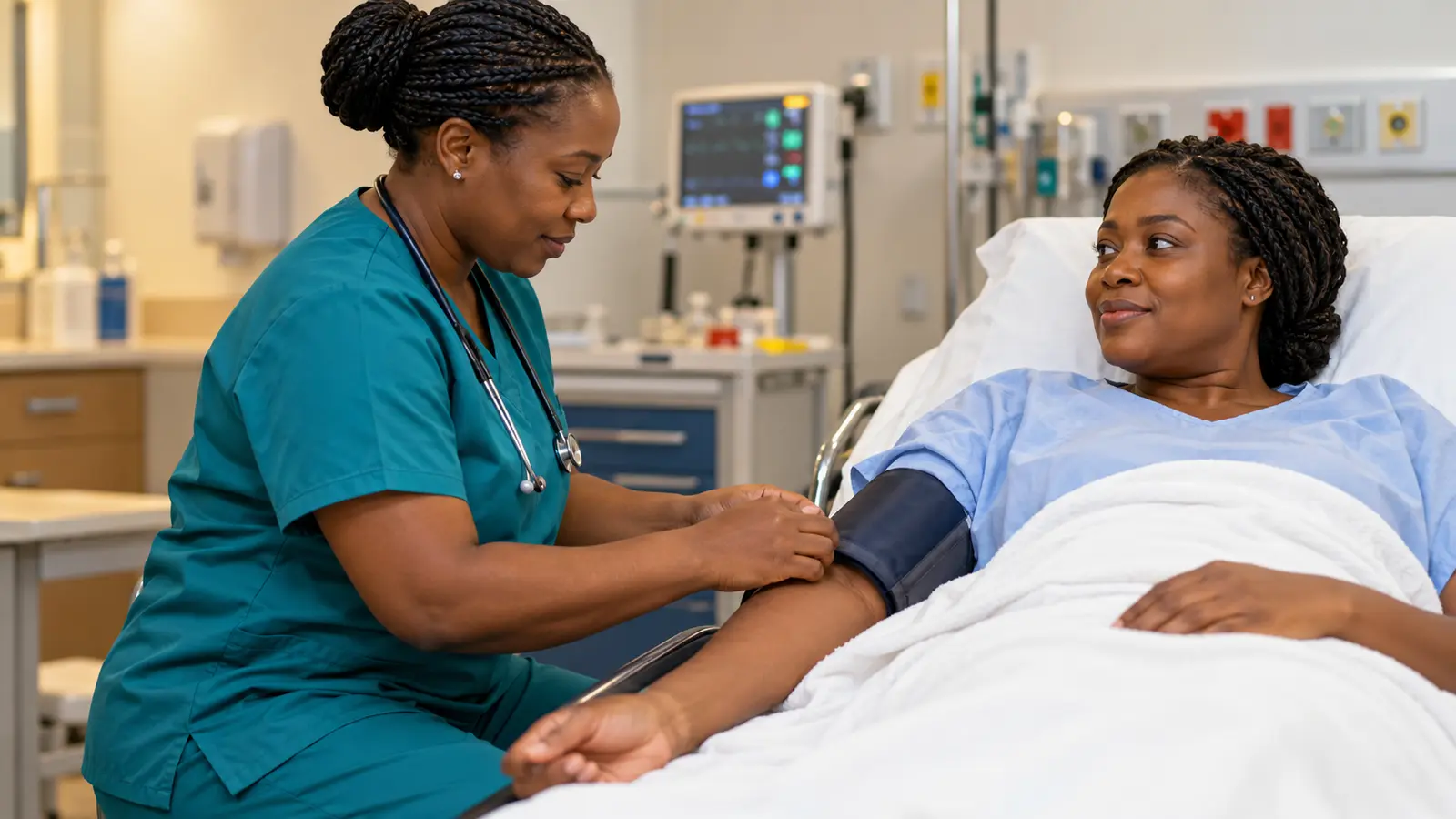
After your final checks and consent, your surgeon marks the treatment areas. You receive anesthesia, tumescent fluid is introduced, and fat is removed through small incisions. If a BBL is planned, suitable fat is prepared and transferred. You then recover under monitoring before discharge or further observation, according to your condition and procedure.
BBL safety deserves particular attention. Fat entering large veins can cause a life-threatening fat embolism. Professional societies recommend placing fat only in the layer beneath the skin, above the muscle, and using real-time ultrasound to monitor injection. Ask your surgeon to explain these safeguards and the arrangements for emergencies. No technique eliminates every risk. [4]
Recovery and protecting your transferred fat

Expect soreness, swelling, bruising, tightness, and temporary numbness. Small amounts of blood-tinged fluid may drain from liposuction incisions initially. Symptoms should generally improve; worsening symptoms need review.
For BBL patients, Elixir Clinic’s recovery protocol is to avoid direct sitting on the buttocks and lying on the back for four to six weeks, usually six weeks unless your surgeon clears you earlier. If fat has also been transferred to the hips, avoid lying on your sides. Plan to sleep on your stomach with comfortable support.
Newly transferred fat needs to develop a blood supply. Sustained pressure can reduce circulation and harm the graft. When sitting is unavoidable, use the positioning and BBL pillow instructions provided: support should be under your thighs to keep pressure off the buttocks. Toilet use and essential transfers need a practical plan, not prolonged sitting.
These are our clinic’s precautions. Published advice varies: ASPS advises avoiding prolonged sitting for about two weeks, while noting that some surgeons recommend longer. Your restrictions depend on where fat was placed and how you heal. [5]
Avoid pressure, but keep moving. Take short, gentle walks as instructed rather than remaining in bed all day.
Bruising, fat absorption and final results
Bruising is usually most visible early and commonly fades over several weeks. BAAPS advises that visible bruising may last about a month, while deeper swelling and firmness can take up to six months to settle. Some patients have longer-lasting skin discoloration. The first three months are a healing period, not the final result. [2]
Fat absorption is different from bruising: some transferred fat is naturally absorbed during healing. Around 30% is a useful illustration, but ASPS describes a wider range of approximately 20–40%; individual results vary. Early fullness includes swelling and will decrease. [6]
Expect clearer improvement over three to six months. Allow six to twelve months for a settled assessment of combined liposuction and fat-transfer results. Skin quality, healing, and weight changes affect the outcome; a particular waist size or amount of fat survival cannot be promised.
Comprehensive aftercare at Elixir Clinic
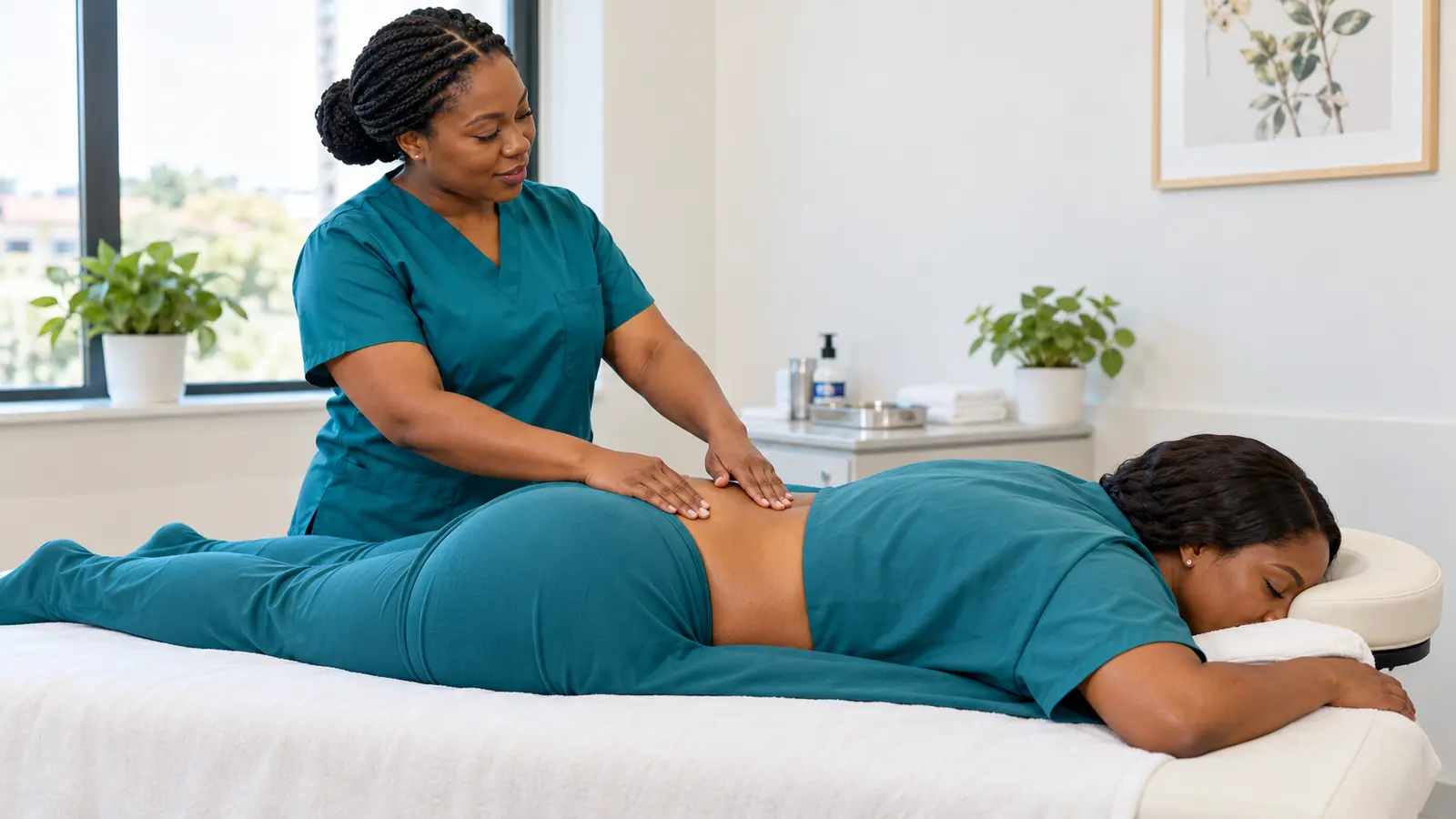
Our care includes pre-operative assessment, surgery, follow-up, and a planned aftercare programme. This includes compression garments, gentle lymphatic drainage massage, and selected treatments such as ultrasonic cavitation and radiofrequency, where appropriate.
Compression supports treated areas and helps manage swelling. It should fit properly and avoid excessive pressure on grafted areas. Lymphatic massage is intended to help fluid move away from swollen tissues; it should be gentle and approved by your surgical team.
A small study of 18 women reported improvement in swelling, pain, and firmness with manual lymphatic drainage combined with therapeutic ultrasound. However, it did not establish that massage alone guarantees better results, and therapeutic ultrasound is not the same as fat-reducing ultrasonic cavitation. [7]
Radiofrequency may help selected patients with skin firmness. Evidence for routine cavitation or radiofrequency immediately after a BBL is limited. Timing and treatment areas must be individualized; fat-reducing or heat-based treatments should not be applied over newly grafted fat without explicit surgical approval. These treatments cannot replace surgery for substantial loose skin.
Risks and warning signs
Possible complications include infection, blood or fluid collections, poor wound healing, persistent pigmentation or numbness, uneven contours, and fat necrosis, where some transferred fat dies and forms lumps. Revision treatment may be needed. Serious risks include significant bleeding, anesthesia problems, organ injury, blood clots, and fat embolism. [1,4]
Frequently asked questions
When can I bathe?
A short shower is often possible around 48 hours after surgery, but only when your team approves it based on your wounds, dressings, and any drains. Use lukewarm water, avoid rubbing wounds, and pat dry. Have someone nearby if you feel weak. Avoid soaking in a bath, swimming pool, or hot tub until wounds have healed and your surgeon clears you. [9,10]
How do I keep clean?
Wash your hands before wound care. Follow dressing instructions, keep garments clean and dry, and avoid applying creams, powders, or unprescribed products to incisions. Ask us how to remove and replace your garment safely for washing.
When can I work, exercise, or drive?
This depends on the extent of surgery and your recovery. A desk job may be difficult while sitting is restricted. Resume exercise gradually after clearance. Drive only when you can sit safely, move comfortably, perform an emergency stop, and are no longer taking sedating pain medicines.
Will the results last?
They can be long-lasting, but remaining and transferred fat can grow or shrink with weight changes. Maintain a stable weight, balanced nutrition, and healthy habits. Aftercare supports recovery; it cannot guarantee a particular result.
Book a consultation
For more information, book a consultation at Elixir Clinic in East Legon, Accra. We will discuss your goals, assess whether 360 liposuction and a BBL are suitable for you, and help you start preparing for surgery and recovery.
Sources and further reading
1. NHS. Liposuction.
2. British Association of Aesthetic Plastic Surgeons. Liposuction.
3. Klein JA, Jeske DR. Estimated Maximal Safe Dosages of Tumescent Lidocaine. Anesthesia & Analgesia. 2016;122:1350–1359.
4. ASPS, PSF, The Aesthetic Society and ASERF. Gluteal Fat Grafting: A Joint Safety Statement. 2022.
5. ASPS. Buttock Enhancement Recovery.
6. ASPS. Seven things you need to know about a Brazilian butt lift. 2022.
7. Masson IF et al. Manual lymphatic drainage and therapeutic ultrasound in liposuction and lipoabdominoplasty post-operative period. Indian Journal of Plastic Surgery. 2014;47:70–76.
8. NHS. DVT and Pulmonary embolism.
9. Cambridge University Hospitals. Caring for your surgical wound.