
Understanding Botox: Its Origins, Medical Uses and Safety
Facial Aesthetics · 11 October 2026

Botox is one of the best-known names in aesthetic medicine, yet many people are surprised to learn that its story begins with food poisoning, passes through eye surgery and neurology, and only later reaches cosmetic care. Understanding where it came from, how it works and what its limits are can help you have a more informed conversation with your doctor.
What is Botox?
BOTOX® is a brand name for onabotulinumtoxinA, a pharmaceutical preparation of purified botulinum toxin type A. The name “Botox” is a shortened form of “botulinum toxin”.
Several other botulinum toxin type A products are made by different manufacturers. They are not identical, and their dosing units are not interchangeable, so one brand cannot simply be substituted for another unit for unit. Pharmaceutical treatment uses a purified, carefully controlled protein; it does not involve injecting live bacteria.
Where the word “botulinum” comes from
“Botulinum” derives from the Latin “botulus”, meaning sausage. The term reflects early investigations of a serious illness linked to contaminated preserved foods, particularly sausages, in southern Germany.


Foodborne botulism is a rare but dangerous illness caused by eating food contaminated with the toxin. It is quite different from an appropriately prescribed pharmaceutical treatment given by a trained clinician. Importantly, contaminated food cannot reliably be identified by its appearance, smell or taste, which is why safe food preparation and preservation matter.
Nineteenth-century discovery
Between 1817 and 1822, the German physician and poet Justinus Kerner published detailed descriptions of patients who had become ill after eating spoiled sausages. He recorded symptoms such as muscle weakness and paralysis, and proposed that the responsible substance acted on the nervous system. Remarkably, he also suggested that it might one day have therapeutic uses.
In 1895, after an outbreak in the Belgian village of Ellezelles linked to preserved ham, the bacteriologist Émile van Ermengem identified the bacterium responsible. His findings were published in 1897. The organism is now known as Clostridium botulinum.



From the laboratory into medicine
The modern medical story is closely associated with the American ophthalmologist Alan B. Scott, who was searching for a non-surgical way to treat strabismus—a condition in which the eyes are not aligned in the same direction.
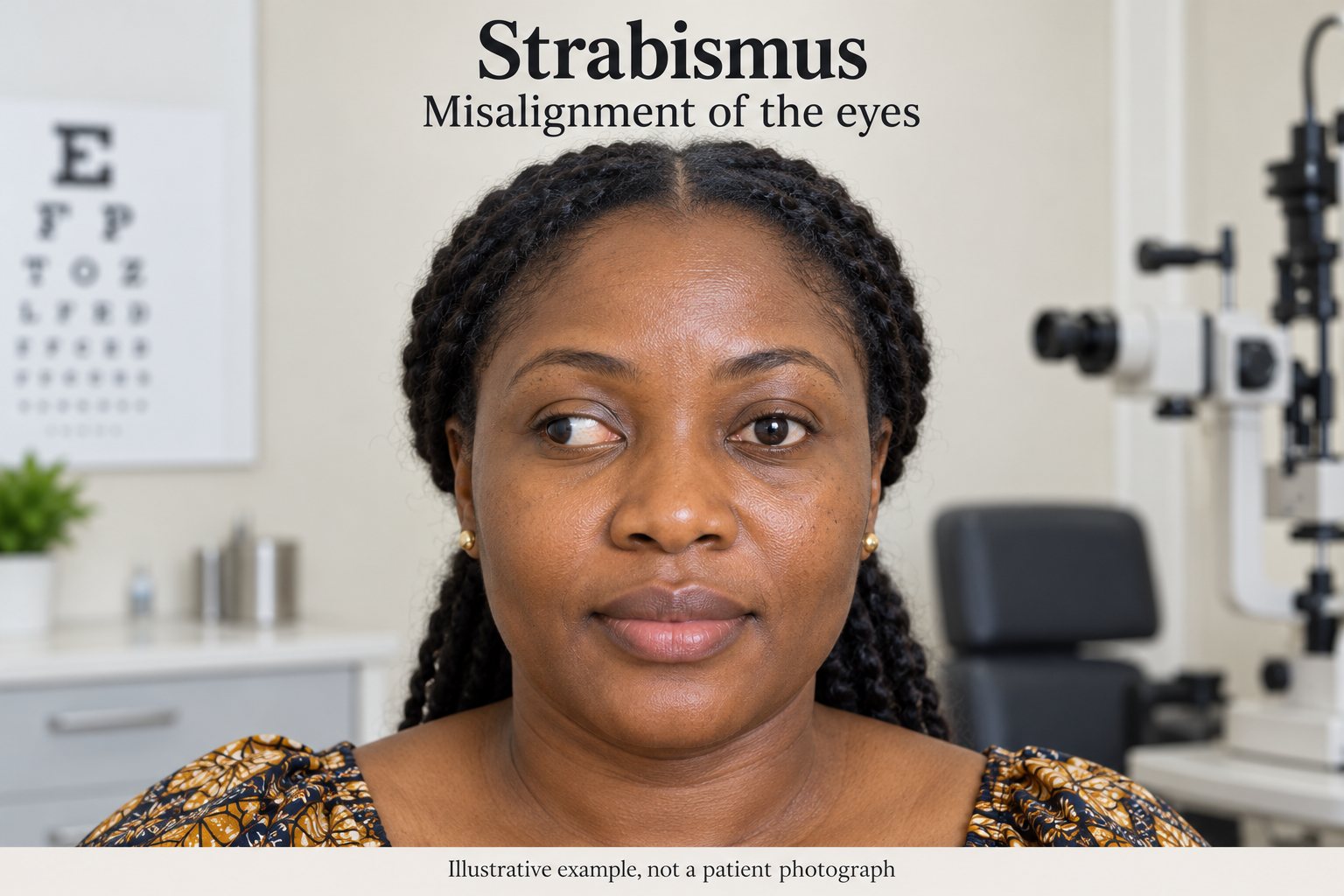
- Human clinical investigations began in 1977.
- Early clinical results were published in 1980.
- In 1989, the product, then called Oculinum, received its first US approval for strabismus and blepharospasm (involuntary eyelid closure).
- Allergan acquired the product in 1991, and it was renamed Botox in 1992.
Arriving in cosmetic medicine
While treating eye and facial muscle disorders, clinicians noticed that some patients’ wrinkles softened. Canadian doctors Jean and Alastair Carruthers studied this effect, and their influential 1992 publication described its use for glabellar frown lines between the eyebrows.
Cosmetic clinical use developed over the following decade, before the US Food and Drug Administration (FDA) approved BOTOX Cosmetic in April 2002 for the temporary improvement of moderate to severe glabellar lines.
A compact timeline
- 1817–1822 — Discovery: Justinus Kerner describes foodborne botulism in detail.
- 1895–1897 — Discovery: Émile van Ermengem identifies the bacterium and publishes his findings.
- 1977–1980 — Early clinical use: Alan B. Scott begins human investigations for strabismus and publishes early results.
- 1989 — Regulatory approval (US): Oculinum is approved for strabismus and blepharospasm.
- 1992 — Early cosmetic use: The Carruthers publish their work on glabellar lines; the product is renamed Botox.
- 2002 — Regulatory approval (US): BOTOX Cosmetic is approved for moderate to severe glabellar lines.
These dates refer to US approvals. Authorisations, approved uses and the products available differ from country to country, and your doctor can explain the status of a particular product where you are being treated.
How it works
Muscles move when motor nerves send them a signal. At the junction between a nerve and a muscle, the nerve ending releases a chemical messenger called acetylcholine, which tells the muscle to contract.
Botulinum toxin type A acts at that nerve ending. The molecule has two main parts: a heavy chain of approximately 100 kDa, which helps it attach to and enter the nerve ending, and a light chain of approximately 50 kDa, which does the work inside. (A kilodalton, or kDa, is simply a unit used to describe the size of a molecule.)
Inside the nerve ending, the light chain cuts a protein called SNAP-25. This protein is needed for the tiny packages, or vesicles, that contain acetylcholine to fuse with the nerve-cell membrane and release their contents. With SNAP-25 cut, less acetylcholine is released, so the treated muscle contracts less strongly.
The effect is temporary. Nerve endings gradually restore their function, and muscle activity returns. For facial lines, results commonly last around three to four months, although this varies from person to person.
Aesthetic applications
In aesthetic medicine, botulinum toxin is used to soften lines caused by repeated muscle movement. Common areas include:
- Forehead lines: horizontal lines that appear when you raise your eyebrows.
- Frown lines: also called glabellar lines or “11” lines—these terms describe the same area between the eyebrows.
- Crow’s feet: lines that fan out from the outer corners of the eyes when smiling.
- Vertical platysma bands: cord-like bands in the neck formed by the platysma muscle.
- Selected additional uses: such as bunny lines on the nose, a gummy smile caused by muscle activity, and enlarged masseter (jaw) muscles.
Some of these uses are authorised indications for particular products in particular countries; others are off-label, meaning they are used on the basis of clinical judgement rather than a formally approved indication. Suitability and approval status depend on the product, the country and your clinical assessment.
Botulinum toxin works on muscle activity. It does not treat pigmentation, volume loss or substantial skin laxity, which may be better addressed with other treatments.
Medical uses beyond wrinkles
Botulinum toxin also has an established role in medicine. Selected uses include:
- Chronic migraine prevention in eligible adults.
- Muscle spasticity, such as stiffness after a stroke.
- Cervical dystonia, involuntary contractions of the neck muscles.
- Blepharospasm and selected cases of strabismus.
- Severe underarm sweating (axillary hyperhidrosis).
- Selected bladder disorders, such as certain forms of overactive bladder.
Each of these requires condition-specific assessment by appropriately trained clinicians. Not every person with these conditions is eligible, and treatment helps to manage symptoms rather than cure the underlying condition.
Safety and assessment
Botulinum toxin has been used medically for several decades, and there is extensive clinical experience with it. However, no treatment is risk-free. Safe care depends on a qualified clinician, an authentic pharmaceutical product, an appropriate clinical setting and an individual assessment.
Before treatment, please discuss the following with your doctor:
- Allergies, including any previous reaction to a botulinum toxin product.
- Infection or inflammation at the proposed treatment site.
- All medicines and supplements you take, including blood thinners and certain antibiotics.
- Previous botulinum toxin, filler or other aesthetic treatments.
- Neuromuscular conditions, such as myasthenia gravis.
- Any difficulty swallowing or breathing.
- Pregnancy, plans for pregnancy or breastfeeding.
Do not stop any prescribed medicine yourself; your doctor will advise you if any change is needed.
Side effects and complications
Most side effects are mild and temporary, such as discomfort, redness, swelling or bruising at the injection site, and headache.
Sometimes the toxin can weaken nearby muscles that were not intended to be treated. Depending on the area, this may cause eyelid or eyebrow drooping, changes to the smile or other effects. These effects are usually temporary, but they can last for several weeks.
Rare but serious reactions can occur, including severe allergic reactions and effects that spread beyond the injection area.
Seek urgent medical attention if you develop difficulty breathing, swallowing or speaking, or marked generalised weakness after treatment.
If you notice any other unexpected effect, contact your treating clinician so that it can be assessed. Not every unwanted effect can be reversed immediately; some need time to settle as the treatment wears off.
Your consultation at Elixir Clinic
At Elixir Clinic, any recommendation begins with a consultation. Your doctor will consider your concerns, medical history, facial anatomy and expectations before discussing whether botulinum toxin treatment may be appropriate for you.
We will explain the potential benefits and limitations, the alternatives—including choosing not to have treatment—the relevant risks, and the aftercare involved. You will have time to ask questions and to decide in your own time. No treatment is suitable for everyone, and results cannot be guaranteed.
Sources and further reading
- Erbguth FJ. Historical notes on botulism, Clostridium botulinum, botulinum toxin, and the idea of the therapeutic use of the toxin. Movement Disorders, 2004.
- Scott AB. Botulinum toxin injection into extraocular muscles as an alternative to strabismus surgery. Ophthalmology, 1980.
- Carruthers JD, Carruthers JA. Treatment of glabellar frown lines with C. botulinum-A exotoxin. Journal of Dermatologic Surgery and Oncology, 1992.
- Historical review of botulinum toxin (PubMed Central).
- US FDA. BOTOX Cosmetic approval letter, April 2002.
- AbbVie. BOTOX® prescribing information.
- National Cancer Institute. Botulinum toxin type A — drug dictionary.
- Lacy DB et al. Crystal structure of botulinum neurotoxin type A and implications for toxicity. Nature Structural Biology, 1998; structure data RCSB PDB 3BTA and 2G7K.
- CDC. Botulism symptoms and home-canned food safety.
- Archival portraits: Justinus Kerner and Émile van Ermengem, Wikimedia Commons (public domain).
This article is for general education and does not replace individual medical advice.