
Facial Rejuvenation Options for the Ghanaian Woman
Facial Aesthetics · 14 October 2026

In this article
- Understanding your skin as you age
- 1. Start with consistent skincare
- 2. Botulinum toxin for expression lines
- 3. Dermal fillers for selected areas of volume loss
- 4. Chemical peels for surface texture and uneven tone
- 5. Microneedling for texture and acne scars
- 6. Carefully selected laser treatments
- 7. Ultrasound and radiofrequency for mild skin laxity
- 8. Platelet-rich plasma and the developing evidence
- Matching the treatment to your concern
- What a good consultation should include
- A personal approach to facial rejuvenation
- References
There is no single way a Ghanaian woman should look as she grows older. Some women want a more even complexion, others want to soften expression lines, and some simply want their face to look as rested as they feel.
Facial rejuvenation offers several ways to address these concerns, from daily skincare to carefully selected medical treatments. The best approach starts with understanding your skin, your facial structure and what you would like to improve.
For women with melanin-rich skin, protecting the complexion is especially important. Irritation can leave persistent dark marks, so a treatment plan should consider both the desired improvement and how the skin is likely to heal.
Understanding your skin as you age
Ageing affects more than the skin's surface. Changes in skin elasticity, facial volume and the tissues supporting the face can gradually alter its appearance. Around menopause, some women also notice increased dryness, sensitivity, acne or more visible sagging. These changes vary considerably from woman to woman. [1]
Common concerns include:
- Uneven pigmentation and dark marks after acne.
- Fine lines around the eyes and mouth.
- Forehead lines and frown lines.
- Hollowing of the cheeks or temples.
- Changes in the jawline and neck.
- Dryness, rough texture and acne scars.
Each concern may need a different approach. A treatment that softens frown lines will not necessarily improve pigmentation, and a facial that hydrates the skin will not restore lost cheek volume.
1. Start with consistent skincare
A simple routine used consistently is the foundation of facial rejuvenation.
Protect your skin from the sun
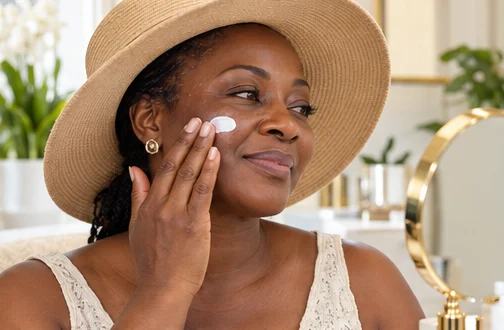
Melanin offers some natural protection, but darker skin still needs sun protection. Use a broad-spectrum, water-resistant sunscreen with SPF 30 or higher, alongside shade and a wide-brimmed hat. Reapply sunscreen approximately every two hours when outdoors and after swimming or heavy sweating.
For women with melasma or persistent dark marks, a tinted sunscreen containing iron oxides can also help protect against visible light, which may worsen pigmentation. Choose a shade and texture that you feel comfortable wearing every day. [2]
Cleanse gently and moisturise
Harsh scrubs, frequent exfoliation and products that sting can irritate the skin. A gentle cleanser and a suitable moisturiser help maintain the skin barrier. Moisturising can also make fine lines caused by dryness less noticeable. [3]
Consider a retinoid
Retinoids, including prescription tretinoin and over-the-counter retinol, can improve fine lines, uneven texture and some pigmentation concerns. However, irritation can trigger dark marks in darker skin.
Start gradually under professional guidance, use moisturiser and maintain sun protection. Retinoids should be avoided during pregnancy; discuss their use with your clinician if you are planning pregnancy. [4]
Treat pigmentation with a diagnosis
Dark patches may result from melasma, acne, irritation or another skin condition. Treatment should address the cause rather than simply make the skin lighter.
Ingredients such as azelaic acid may help selected pigmentation concerns. Prescription treatments, including hydroquinone where appropriate, need professional supervision. Avoid unlabelled bleaching mixtures and products containing mercury or potent steroids used without a medical indication. The aim is a healthier, more even version of your natural complexion. [2]
See also: Medical Facials
2. Botulinum toxin for expression lines
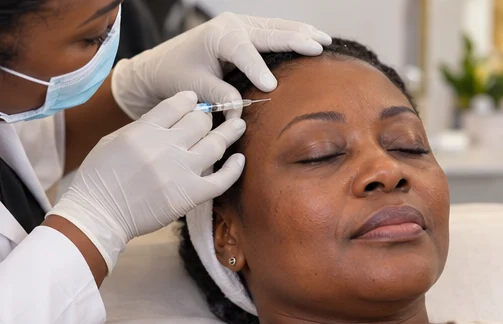
Botulinum toxin treatments, commonly known by the brand name Botox, temporarily relax selected muscles responsible for expression lines.
They can help soften:
- Frown lines between the eyebrows.
- Forehead lines.
- Crow's feet around the eyes.
Results usually last around three to four months, although individual responses vary. Careful assessment and treatment can soften lines while preserving facial expression. [5]
Possible side effects include bruising, asymmetry and temporary eyelid or eyebrow drooping. Rare serious effects can occur, so treatment should use authentic products and be performed by an appropriately trained, licensed clinician. Cosmetic treatment is generally deferred during pregnancy and breastfeeding. [6]
Learn more: Botox injections
3. Dermal fillers for selected areas of volume loss
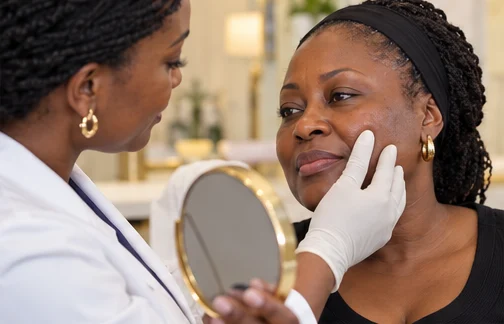
Dermal fillers can restore fullness or improve contour in carefully selected areas. Hyaluronic acid fillers are one commonly used option.
Depending on your anatomy, treatment may address cheek volume loss, selected facial folds, lip definition or other areas where additional support would be helpful. Most fillers are temporary, and their duration depends on the product and treatment area. [6]
The amount needed should be guided by your face and goals. More filler does not automatically produce a better result.
Fillers are medical procedures with risks. Alongside swelling, bruising and lumps, accidental injection into a blood vessel can cause tissue damage and, rarely, blindness or stroke. Choose a clinician who understands facial anatomy and can recognise and manage complications. Under-eye treatment needs particularly careful assessment. [6]
Learn more: Dermal fillers
4. Chemical peels for surface texture and uneven tone
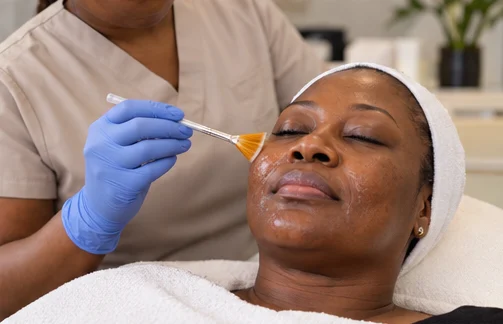
Chemical peels use a selected solution to exfoliate the skin. Superficial peels may help with certain types of acne, uneven pigmentation, rough texture and fine lines.
For melanin-rich skin, the choice of peel and its depth are important. An unsuitable or overly aggressive peel can cause burns, lasting pigment changes or scarring. Ask your clinician about their experience treating patients with a similar complexion and the aftercare you will need. [7, 8]
A stronger peel is not necessarily a better peel. Treatment should match the diagnosis and the skin's tolerance.
Learn more: Chemical Peels
5. Microneedling for texture and acne scars
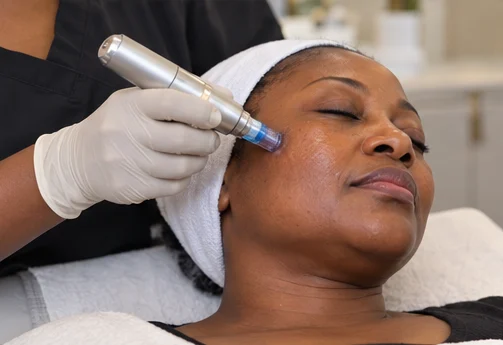
Medical microneedling creates controlled, tiny punctures in the skin to encourage a repair response. It can help improve selected acne scars, fine lines and uneven texture.
A series of treatments may be needed, with improvement developing gradually. Assessment is especially important if you have active acne, a skin infection, poor healing or a history of keloid scars. Home needling can cause infection, scarring and unwanted pigment changes. [9]
Learn more: Microneedling
What about radiofrequency microneedling?
Radiofrequency microneedling adds heat to the needling treatment. It may be considered for selected texture and tightening concerns, but it requires careful device selection and professional expertise.
The U.S. FDA has reported serious complications with certain uses, including burns, scarring, unwanted fat loss and nerve damage. Discuss these risks and available alternatives before proceeding. [10]
6. Carefully selected laser treatments
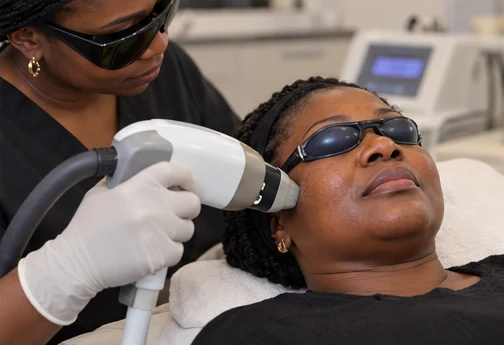
Laser treatments may help selected pigmentation concerns, scars and signs of sun damage. However, laser treatment describes many different devices with different effects.
For darker complexions, the device, treatment settings and practitioner's experience all matter. Certain fractional or non-ablative treatments may be suitable for selected patients, while more aggressive resurfacing requires greater caution. No laser should be assumed to be safe for every dark skin tone. [11]
If your main concern is melasma or dark patches, establish the diagnosis first. Your clinician should explain why a particular laser is appropriate, the risk of worsening pigmentation and the care required during recovery.
See also: Skin and Laser Treatments
7. Ultrasound and radiofrequency for mild skin laxity
Some ultrasound and radiofrequency devices heat targeted tissues to encourage collagen remodelling. They may offer gradual, modest tightening for suitable patients with mild laxity.
Results vary, and these treatments do not produce the same degree of correction as a surgical facelift. Device-based tightening may be less helpful when there is substantial excess skin or more advanced sagging. [12]
A consultation should establish whether your concern is loose skin, lost volume or a combination of both before selecting treatment.
8. Platelet-rich plasma and the developing evidence
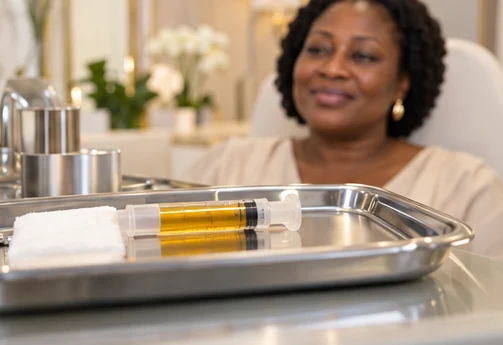
Platelet-rich plasma, or PRP, is prepared from a patient's own blood and used in some facial rejuvenation treatments.
Research suggests possible improvements in skin texture and other measures of skin quality. However, studies vary in their preparation methods, treatment schedules and quality. The evidence remains less certain than marketing claims sometimes suggest, and results cannot be guaranteed. [13]
PRP may be discussed as part of an individual plan, with a clear explanation of its expected benefits, limitations and cost.
Learn more: PRP (Platelet-Rich Plasma)
Matching the treatment to your concern
This guide can help you prepare for a consultation; suitability depends on your examination.
| Main concern | Options that may be discussed |
|---|---|
| Dark marks or uneven tone | Sun protection, diagnosis-led skincare and selected superficial peels |
| Forehead lines, frown lines or crow's feet | Botulinum toxin |
| Loss of facial fullness | Carefully selected dermal fillers |
| Acne scars or rough texture | Medical microneedling or selected laser treatments |
| Mild skin laxity | Selected ultrasound or radiofrequency treatments |
| Significant sagging or excess skin | Assessment for surgical options |
What a good consultation should include
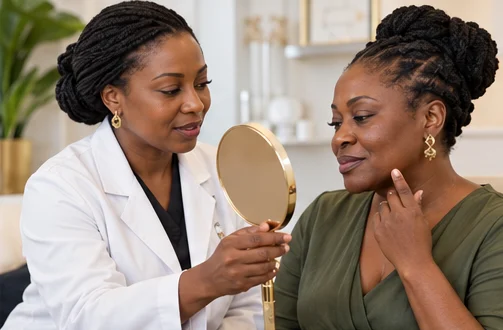
Your consultation should begin with your goals and a medical assessment. Tell your clinician about previous procedures, medications, allergies, pregnancy or breastfeeding, skin conditions and any history of keloids or poor healing.
Before agreeing to treatment, ask:
- What is causing my concern?
- How much improvement is realistic?
- What experience do you have treating skin like mine?
- What are the risks, recovery time and alternatives?
- How many sessions might I need, and what is the total expected cost?
Qualified practitioners should explain the limitations as clearly as the benefits. Cosmetic procedures require medical knowledge, appropriate products and a plan for managing complications. [14]
A personal approach to facial rejuvenation
A Ghanaian woman's complexion, facial features and preferences should guide her treatment. There is no need to follow every trend or commit to several procedures at once. Sometimes, consistent skincare and treatment of an underlying skin condition are the most useful first steps.
To explore facial rejuvenation options, book a consultation at Elixir Clinic in East Legon, Accra. Discuss your concerns, ask questions and develop a plan that supports healthy skin and your individual goals.
This article provides general education. Treatment suitability, benefits and risks require an individual medical assessment. AI-generated illustrations for educational purposes; not actual patient photographs or treatment outcomes.
References
1. American Academy of Dermatology: Caring for your skin in menopause
2. American Academy of Dermatology: How to fade dark spots in darker skin tones
3. American Academy of Dermatology: Skin care in your 40s and 50s
4. American Academy of Dermatology: Retinoid or retinol?
5. American Academy of Dermatology: Botulinum toxin therapy FAQs
6. U.S. Food and Drug Administration: Dermal filler do's and don'ts for wrinkles, lips and more
7. American Academy of Dermatology: Chemical peels overview
8. American Academy of Dermatology: Chemical peels preparation
9. American Academy of Dermatology: Microneedling can fade scars, uneven skin tone and more
10. U.S. Food and Drug Administration: Potential risks with certain uses of radiofrequency microneedling (safety communication, 15 October 2025)
11. American Academy of Dermatology Meeting News: Cultural competency (2026)
12. American Academy of Dermatology: Many ways to firm sagging skin
13. Systematic review: Platelet-rich plasma use in facial rejuvenation (PubMed 36728559)
14. American Academy of Dermatology: Your safety