
What to Expect During Your Aesthetic Consultation
Consultations · 11 October 2026
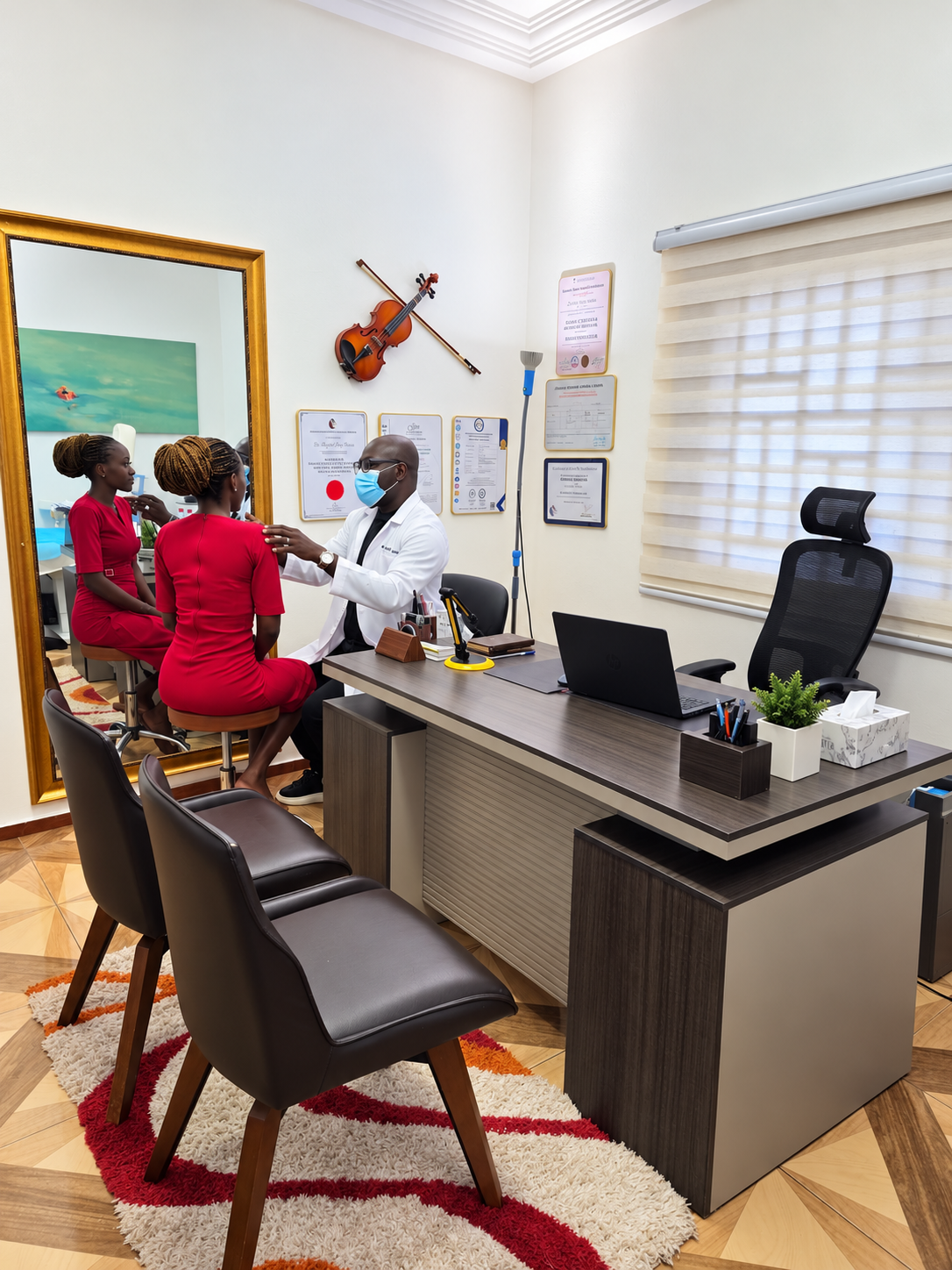
Your aesthetic consultation is the first step towards understanding your treatment options and making a confident, informed decision. Whether you are considering facial rejuvenation, skin treatment, body contouring or a breast procedure, this appointment gives us time to understand your concerns, assess your health and discuss what can realistically be achieved.
At Elixir Clinic, every recommendation is tailored to your individual needs, medical history and examination findings. Here is what you can expect during your consultation journey.
A warm welcome and initial health checks
On arrival, you will be warmly welcomed by our team. A nurse will attend to you, record your personal details and begin your initial assessment.
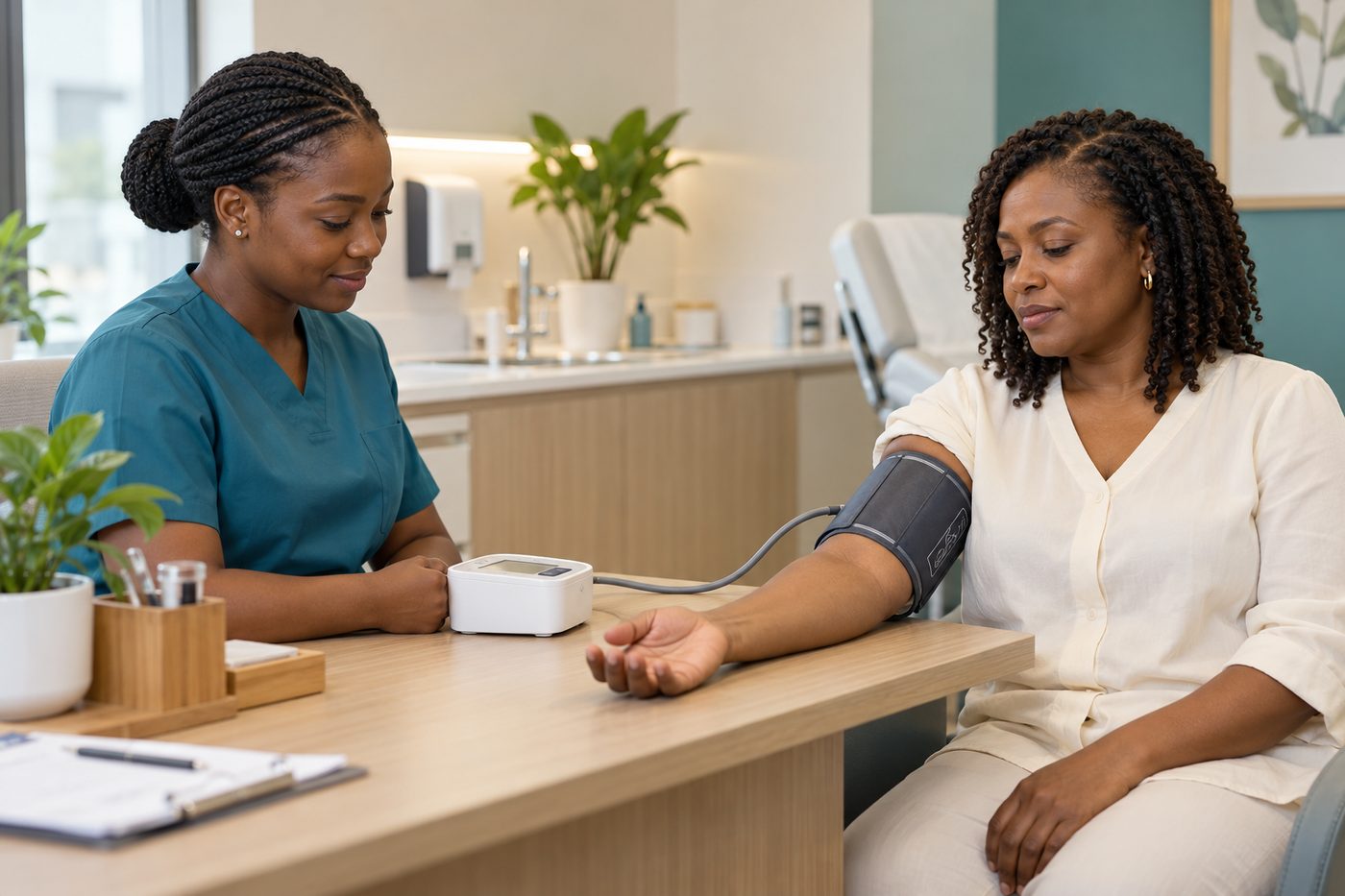
One of the first steps is to measure your blood pressure, heart rate, height and weight. Your body mass index, or BMI, will also be calculated from your height and weight. These measurements provide useful information about your general health and help guide treatment planning. BMI is considered alongside other findings; it does not determine your suitability for a procedure on its own.

Getting to know your medical history
The nurse will take a thorough medical history, which the medical doctor will review during your consultation. Some questions may seem unrelated to your aesthetic concerns, but they help us understand factors that could affect your treatment, anaesthesia, healing or recovery.
We will ask about:
- Medical conditions, including heart disease, high blood pressure, diabetes, thyroid disorders, breathing problems, kidney or liver disease, bleeding disorders and previous blood clots.
- Previous surgery and anaesthesia, including aesthetic procedures, any complications and your experience of recovery.
- Medications and allergies, including prescription medicines, over-the-counter products, supplements and reactions to medicines, latex, adhesives or skin preparations.
- Family history, particularly conditions that may be relevant to your health or planned treatment.
- Social history, including smoking, alcohol use, occupation and the support available to you during recovery.
- Previous aesthetic treatments and skincare, including injectables, lasers, surgery, skin-lightening products and any disappointing outcomes or adverse reactions.
- Gynaecological and reproductive history, where relevant, including your last menstrual period, previous pregnancies, pregnancy status and breastfeeding.
Please share this information openly, even if a condition is well controlled or a medicine is taken only occasionally. Do not stop prescribed medication unless your treating clinician advises you to do so.
Understanding your concerns and wellbeing
During your consultation with the medical doctor, you will have time to explain what brought you to the clinic, which concerns matter most to you and what changes you hope to achieve.

We will also explore your emotional wellbeing through stress screening and a psychosocial assessment. This may include discussing sleep, anxiety, mood, body image, previous treatment experiences and any pressure you feel from others.
These conversations help us understand your expectations and whether treatment is appropriate for you at this time. Your decision should feel personal, voluntary and well considered.
A thorough examination tailored to your needs
The doctor will carry out a complete clinical examination appropriate to your concerns and the treatment being considered. The assessment differs according to whether your main interest is facial aesthetics, skin treatment, body contouring or breast treatment.
Each part of the examination will be explained, and your consent sought. Your privacy and comfort will be respected, with a chaperone offered for intimate examinations.
Facial and skin assessment
For facial aesthetic concerns, we assess the face as a whole and examine it both at rest and during expressions such as smiling, frowning and raising the eyebrows.

Depending on your needs, this may include:
- Skin quality: texture, pigmentation, acne, scarring, sensitivity and signs of sun damage or ageing.
- Facial structure and proportions: measurements of the upper, middle and lower face, facial height, width and cheekbone relationships.
- Volume and contour: fullness or hollowing around the temples, cheeks, under-eye areas and other regions.
- Symmetry: differences between the two sides of the face, including differences during facial movement.
- Lines and wrinkles: those visible at rest and those that appear with expression.
- Skin laxity: looseness around the eyelids, lower face, jawline and neck.
Facial ratios, including golden-ratio measurements where relevant, may help us describe proportions and guide planning. They are reference tools, rather than a universal standard of beauty. Your natural features, preferences and facial harmony remain central to the assessment.
Body contouring assessment
If your consultation concerns liposuction, fat transfer or another body contouring procedure, the doctor will assess your body shape, fat distribution, skin quality and the areas you would like to address.
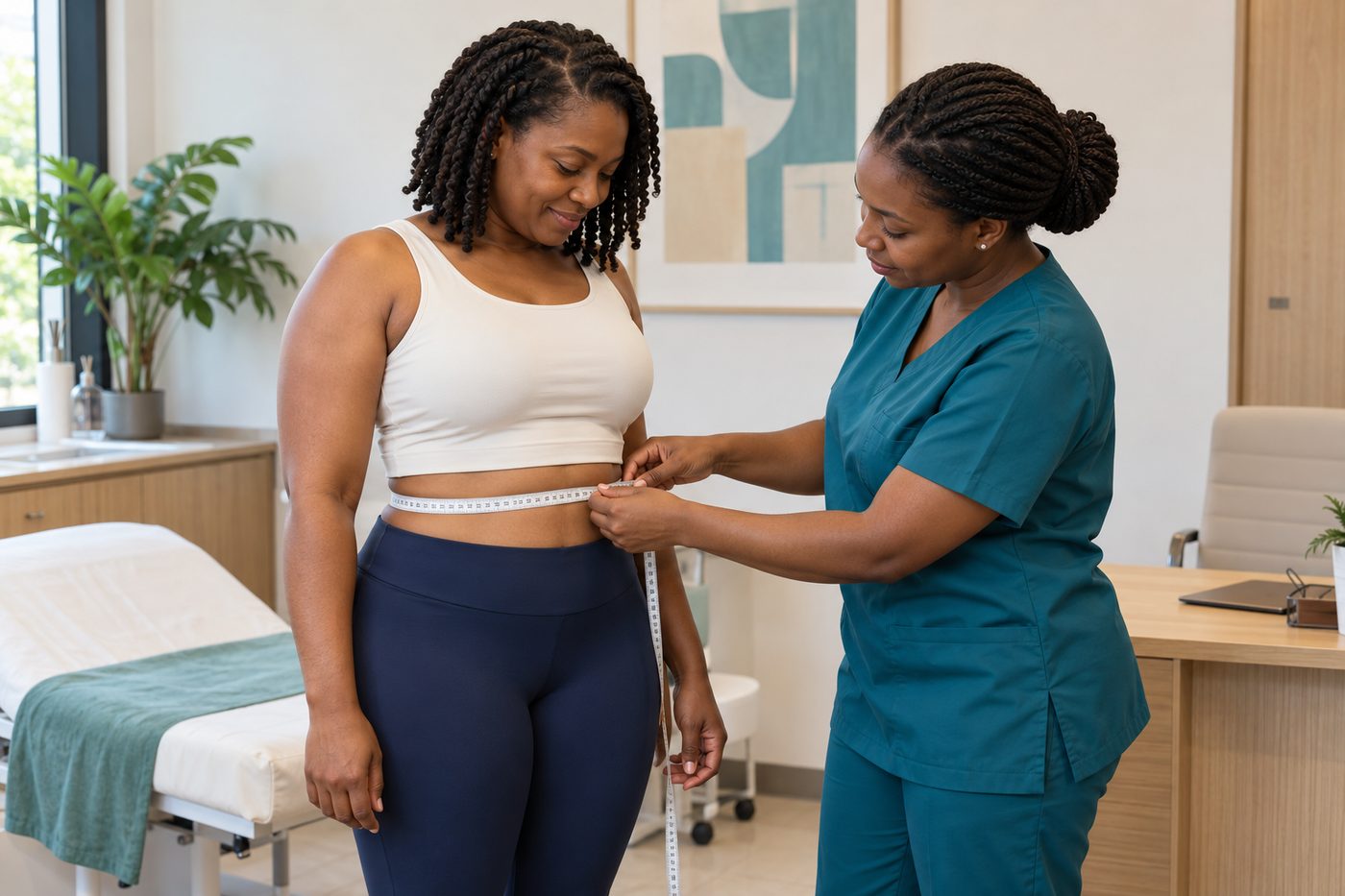
Measurements may include your waist, hips, abdominal circumference and upper arms, depending on the proposed treatment. The examination also considers skin elasticity, loose skin, stretch marks, previous surgical scars and existing asymmetry.
For abdominal concerns, we assess whether the shape is influenced by fat, excess skin, separation of the abdominal muscles or a possible hernia. Understanding these differences helps explain which treatment may be suitable and what its limitations are.
Breast assessment
For breast-related concerns, the consultation includes a discussion of your goals, relevant medical and surgical history, and any breast symptoms.
The examination may assess breast size, shape, symmetry, skin quality, nipple position and the degree of drooping, with measurements taken where appropriate. Any concerning finding will require further assessment before elective aesthetic treatment is considered.
Explaining your findings and treatment options
After the examination, the doctor will explain the observations in clear, understandable language and relate them to your concerns.
Your recommended plan will consider your health, anatomy, previous treatments, preferences and recovery needs. We will discuss why each option is being suggested, its expected benefits, its limitations and the alternatives available—including choosing not to have treatment.
You will also learn what the procedure involves, whether anaesthesia is required, how much recovery time may be needed and what aftercare or follow-up is expected. Where necessary, blood tests, further investigations or specialist review may be recommended before a treatment decision is finalised.
Sometimes the most appropriate recommendation is to treat an underlying condition first, postpone a procedure or consider a different approach.
An honest discussion about risks and complications
Every procedure has potential risks. The doctor will explain the relevant side effects and complications of each recommended treatment, including serious risks even when they are uncommon, and how your individual medical history may affect them.
We will identify measures to reduce those risks and outline how complications could be recognised and managed. Depending on the procedure, this may involve additional testing, adjustments to the treatment plan, specific precautions, closer monitoring or referral for specialist care.
You will have the opportunity to ask questions about benefits, risks, recovery and what happens if a result does not meet your expectations. This discussion is an essential part of making an informed treatment decision.
Written information to take home
Following your consultation, you will receive a written information sheet outlining the main observations, recommended treatment options and the reasons behind the proposed plan.

It will also summarise relevant risks, precautions and aftercare considerations so that you can review the information in your own time.
Time to reflect and decide
You are encouraged to take time to consider your options before deciding whether to proceed. You may wish to read your information sheet again, discuss it with someone you trust or contact us with further questions.
Attending a consultation does not commit you to treatment. You can decide to proceed, choose a different option, postpone treatment or decline it altogether. If you choose to go ahead, the treating doctor will confirm your understanding and obtain your informed consent before the procedure.
Preparing for your appointment
To help us make the most of your consultation, bring a list of your medicines and supplements, details of any allergies, and relevant medical reports or records of previous procedures. It can also help to write down your main concerns and questions beforehand.
At Elixir Clinic, we want you to leave your consultation with a clear understanding of your assessment, your options and the reasons behind our recommendations—so that your next step is one you feel comfortable taking.