
Beautiful at 40 and Beyond: Anti-Ageing Tips for Women
Skincare · 14 October 2026

Your forties can be a wonderful time to invest in yourself. Feeling well, caring for your skin and choosing treatments thoughtfully can help you look refreshed while preserving what makes you distinctive.
There is no cream or procedure that stops ageing. The most useful plan combines daily skincare, healthy habits and, when you want them, medical treatments selected for your concerns. For Ghanaian women with melanin-rich skin, protecting an even complexion and avoiding irritation deserve special attention.
1. Make sun protection a daily habit
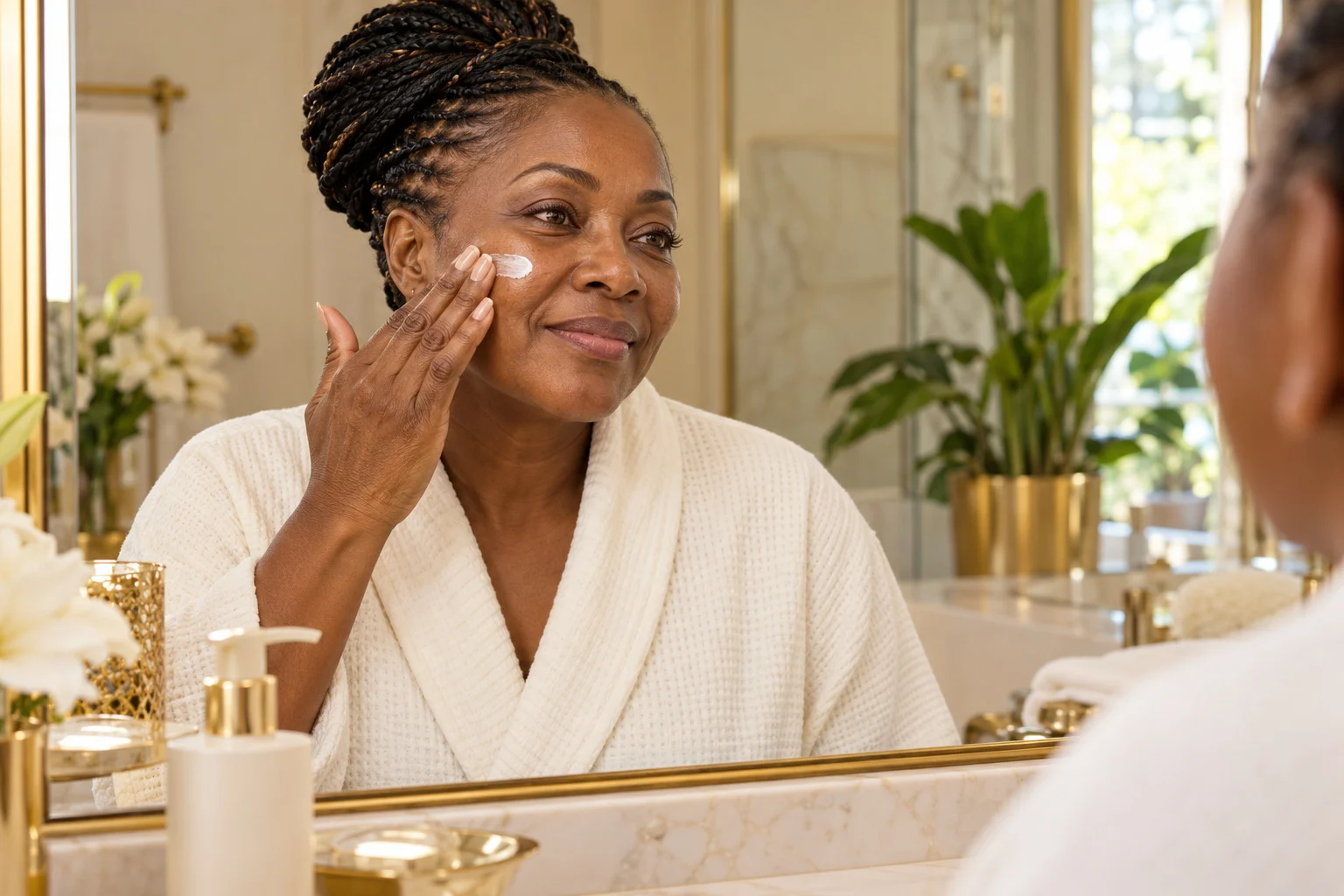
Darker skin still needs protection from ultraviolet radiation. Use a broad-spectrum, water-resistant sunscreen with SPF 30 or higher on exposed skin, including the face, neck, chest, ears and hands. SPF 50 is a practical option. Apply generously according to the label; reapply about every two hours outdoors and after swimming or sweating. A wide-brimmed hat and shade add protection. [1,2]
If melasma or dark marks are a concern, a tinted sunscreen containing iron oxides can help protect against visible sunlight that contributes to pigmentation. Choose a shade you enjoy wearing. Sunscreen works best when it becomes part of your everyday routine. [3]
2. Keep your skin barrier comfortable
Cleanse gently with lukewarm water and a mild cleanser. Moisturise after washing, especially if your skin feels tight or dry. A fragrance-free moisturiser suited to your skin type is a useful starting point. Avoid harsh scrubs and repeated use of products that sting. Hydrated skin can look smoother, although moisturiser does not lift sagging tissue. [1,4]
3. Choose active ingredients thoughtfully
Retinol and prescription retinoids
Vitamin A-based skincare can improve fine lines, uneven tone and texture over time. Prescription tretinoin and cosmetic retinol differ in strength and tolerability; stronger does not automatically mean better for your skin. Start slowly, use moisturiser and follow the product instructions or your clinician's advice. In darker skin, irritation can leave dark marks. Stop and seek advice if you develop persistent burning or inflammation. [5]
Use retinoids at night and protect your skin from the sun during the day. Avoid them during pregnancy; discuss alternatives if trying to conceive or breastfeeding. Results develop gradually, and consistency matters more than frequently changing products. [5]
Treat pigmentation without changing your natural skin colour
Dark patches need a diagnosis: melasma, acne-related marks and other conditions require different approaches. Azelaic acid or vitamin C may help selected pigmentation concerns. Introduce one new product at a time, and avoid stacking several irritating acids or exfoliants. Persistent pigmentation may need a supervised prescription plan. [3]
Avoid unlabelled bleaching mixtures and cosmetic use of potent steroid creams. Some products contain hidden mercury or steroids that can damage the skin and affect health. The aim is an even, healthy complexion in your own beautiful skin tone. [3]
A simple routine you can sustain
Morning
- Gentle cleanse or rinse as needed.
- Optional, well-tolerated targeted serum.
- Moisturiser suited to your skin.
- Broad-spectrum SPF 30+; reapply outdoors.
Evening
- Remove makeup and cleanse gently.
- A suitable retinoid on tolerated nights, if appropriate.
- Moisturiser; use a simple recovery routine if irritated.
- Avoid harsh scrubs and multiple new active products.
4. Nourish yourself with everyday food

Choose a varied diet with vegetables, fruit, beans, whole grains and appropriate protein sources. WHO recommends at least 400 grams of fruit and vegetables daily for adults. Familiar choices include kontomire, okra, garden eggs, tomatoes, pawpaw and oranges. Beans, fish, eggs and other protein foods can fit into a balanced eating pattern. Limit excess salt, sugary drinks and heavily processed foods. [6]
You do not need to abandon Ghanaian meals. For example, pair a suitable portion of your usual starch with vegetables and fish or beans. The best pattern fits your health needs, preferences and budget; a clinician or dietitian can help tailor it. [6]
Drink fluids regularly, particularly in Accra's heat and around exercise. If you have kidney or heart disease, follow your prescribed fluid advice. Supplements are not substitutes for balanced meals, and no food or drink can promise wrinkle-free skin.
5. Build strength and keep moving

WHO recommends 150–300 minutes of moderate aerobic activity a week, or 75–150 minutes of vigorous activity, plus muscle-strengthening exercise on at least two days. Brisk walking, dancing, swimming and cycling all count. Start at a manageable level and increase gradually. Exercise benefits health and physical function; it is not a guaranteed wrinkle treatment. [7]
6. Protect your sleep and emotional wellbeing
Adults aged 18–60 generally need at least seven hours of sleep each night. Keep regular sleep and waking times, make your bedroom comfortable and limit late caffeine. Persistent insomnia, loud snoring or excessive daytime sleepiness deserves medical review. [8]
Make time for rest, supportive relationships and activities that help you unwind. Looking after your emotional wellbeing is part of caring for yourself. A cosmetic treatment cannot replace treatment for a sleep disorder or persistent distress.
7. Recognise menopause-related changes
Around menopause, changes in hormones can accompany drier skin, acne, increased fragility, hair changes and more noticeable laxity. Your routine may need gentler cleansing and richer moisturising. Persistent breakouts or thinning hair deserve assessment rather than increasingly aggressive skincare. [9]
Discuss troublesome menopausal symptoms with a qualified clinician. Decisions about hormone therapy require an individual assessment of symptoms, health history and risks; it should not be presented as a cosmetic anti-ageing prescription.
8. Make health checks part of your beauty plan
Keep up with medical reviews and discuss blood pressure, diabetes risk, cholesterol and screening appropriate to your age and personal or family history. Seek assessment for unexplained fatigue, weight change, persistent hair loss or a new or changing skin lesion. A healthy appearance cannot confirm that everything is well inside.
9. Avoid habits that undermine skin health
Smoking accelerates visible skin ageing. If you smoke, seek support to stop. Excess alcohol can also affect health and skincare habits; reducing intake is a sensible step. Be patient with skincare and avoid chasing every new trend. [1]
Care for your face, neck, chest and hands
Extend gentle cleansing, moisturiser and sun protection beyond your face. These frequently exposed areas deserve the same daily care. A routine that is comfortable and affordable is more likely to last. [1,2]
Beauty after 40 does not require flawless skin. Natural texture and expression lines are normal; the goal is comfort, health and confidence.
10. Choose aesthetic care by concern
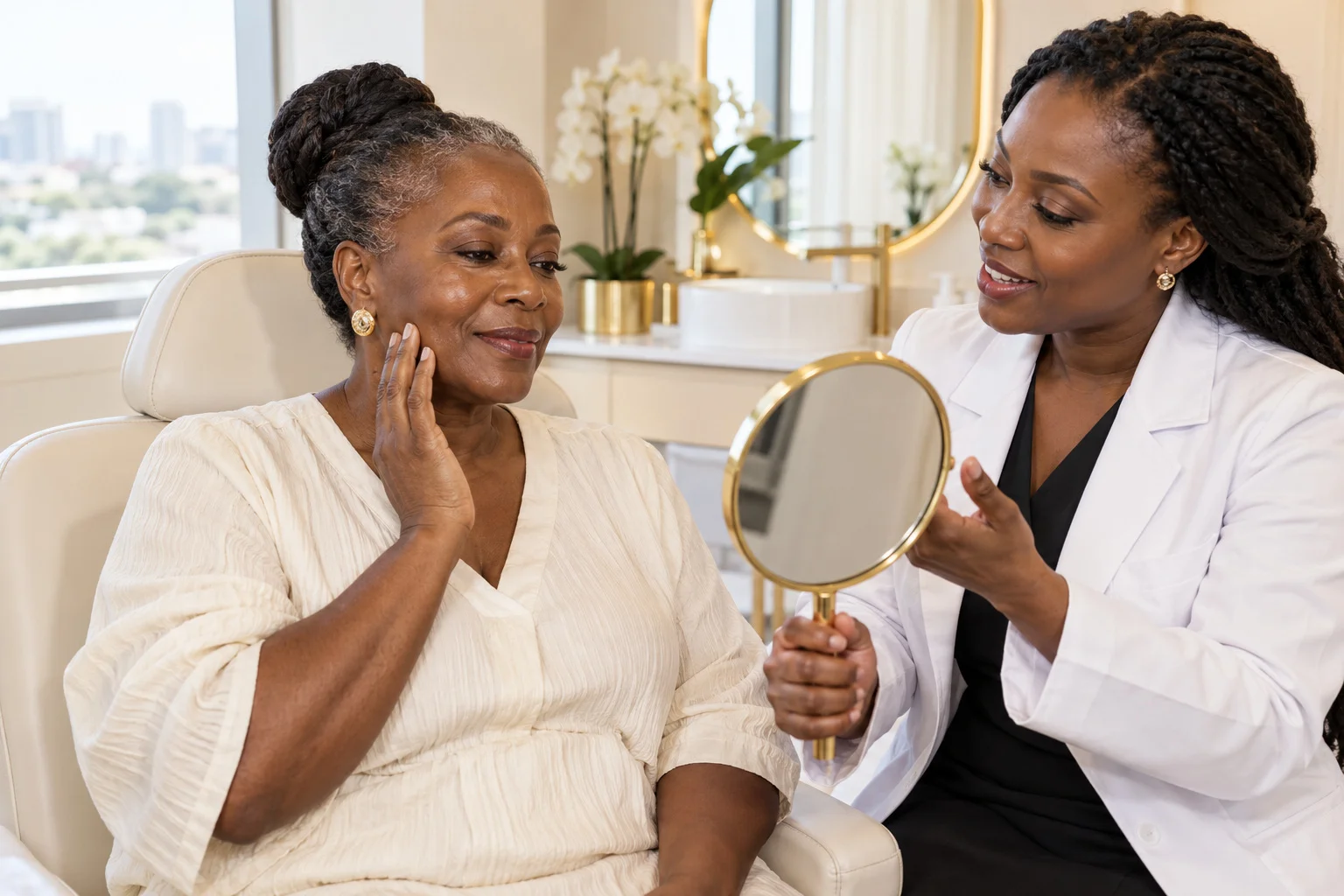
Aesthetic treatments are optional. Begin with an assessment of skin type, pigmentation, facial movement, volume changes, medications, previous procedures and healing history. Ask what improvement is realistic, what downtime to expect and how complications are managed.
Expression lines: botulinum toxin
Botulinum toxin treatments, including Botox, can soften suitable movement-related lines, such as frown lines and crow's feet, by relaxing selected muscles. Results are temporary, commonly lasting around three to four months. Treatment does not correct every cause of facial ageing. Discuss bruising, asymmetry and temporary eyelid or brow droop, and have treatment performed by an appropriately qualified practitioner. [10]
Volume loss: carefully selected dermal fillers
Hyaluronic acid fillers may restore volume or soften selected folds. Conservative planning can help preserve facial balance. Swelling, bruising and nodules can occur; accidental injection into a blood vessel can cause skin injury and, rarely, blindness or stroke. These are medical procedures that require informed consent and a practitioner prepared to manage complications. [11]
Treatments for texture, tone and laxity
Chemical peels for selected pigment and surface concerns
Professionally selected peels can improve some uneven pigmentation, roughness and fine lines. The choice of peel and depth matters, especially in darker skin. Burns, pigment changes and scarring are possible. Avoid strong home peels; supervision and careful aftercare are essential. [12]
Microneedling for selected wrinkles and acne scars
Professional microneedling may improve the appearance of suitable facial wrinkles and acne scars. It is not appropriate for everyone. Infection, bleeding and pigment changes are possible, and darker skin needs particular care. Avoid treating active skin disease without assessment. [13]
Lasers and skin-tightening devices
Selected laser, ultrasound or radiofrequency procedures may help particular texture concerns or mild laxity. Results vary by device, indication and individual; non-surgical tightening generally produces a more modest change than surgery. Fractional CO2 resurfacing involves downtime and requires especially careful selection in darker skin because burns, scarring and pigmentation changes can occur. [4,14]
Start with a personalised plan at Elixir Clinic
If you would like support with dryness, pigmentation, fine lines, volume changes or laxity, book a consultation at Elixir Clinic in East Legon, Accra. Together, we can discuss your goals and develop a plan that respects your natural features, skin tone and health.
Ready to care for your skin with confidence? Book your aesthetic consultation.
This article provides general education. Treatment suitability and outcomes vary. All accompanying images are AI-generated illustrations, not photographs of patients or evidence of treatment results.
Evidence and further reading
The numbered references support the article's medical claims. Official guidance was checked on 14 October 2026. FDA material describes US regulatory information and does not establish Ghanaian approval or availability.
1. American Academy of Dermatology (AAD): Skin care in your 40s and 50s
2. AAD: Sunscreen FAQs
3. AAD: How to fade dark spots in darker skin tones
4. AAD: Many ways to firm sagging skin
5. AAD: Retinoid or retinol?
6. World Health Organization (WHO): Healthy diet
7. WHO: Physical activity
8. Centers for Disease Control and Prevention: About sleep
9. AAD: Caring for your skin in menopause
10. AAD: Botulinum toxin therapy FAQs
11. US Food and Drug Administration (FDA): Dermal fillers
12. AAD: Chemical peels overview
13. FDA: Microneedling devices
14. Review: Cosmetic procedures in patients with skin of color (2023)